

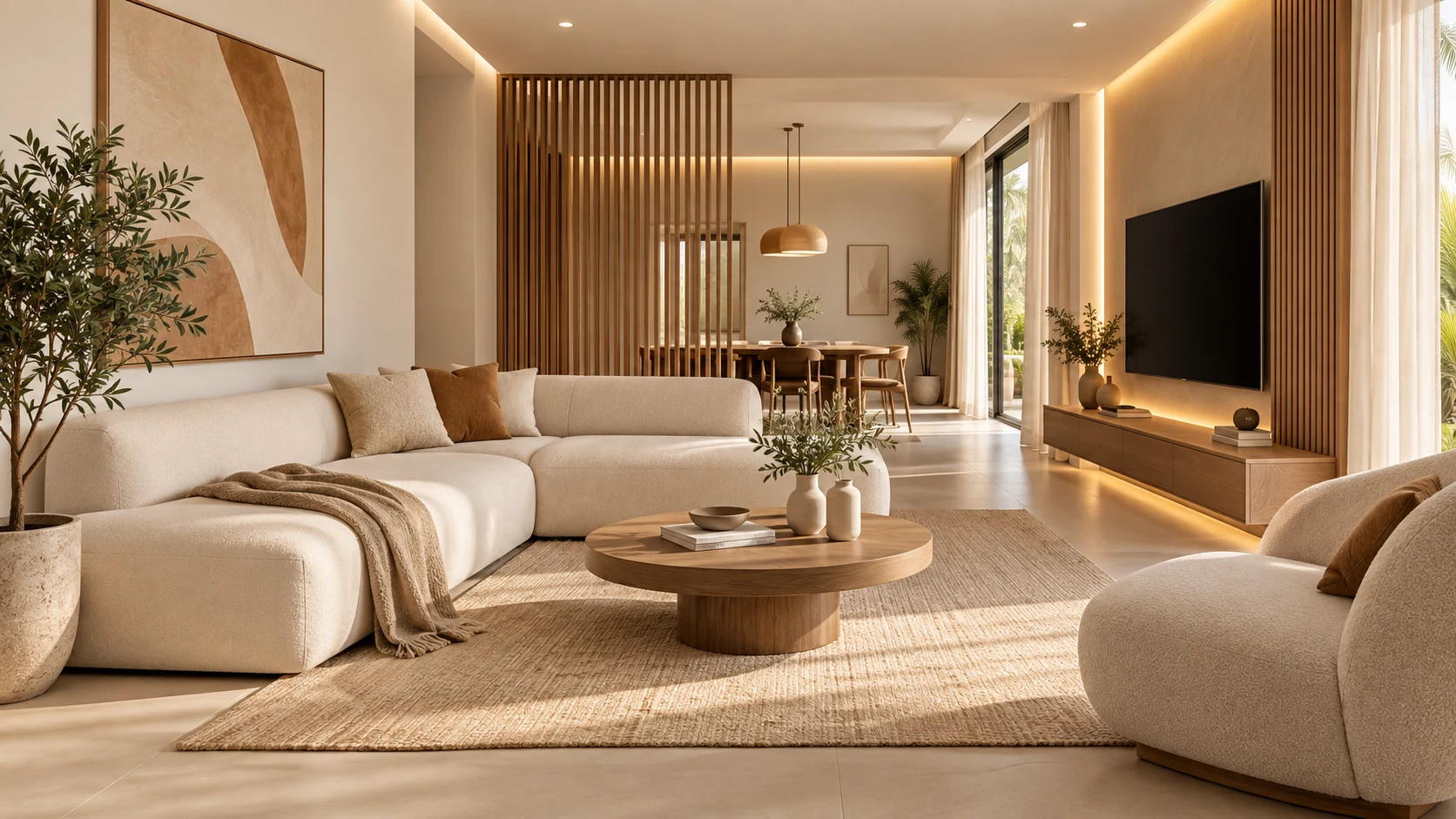
Warm Minimalism: The 2026 Interior Design Trend Redefining Modern Homes
Minimalism has long been associated with stark white walls, sparse furniture, and a clinical, almost cold feel. But 2026 is bringing a shift. Warm Minimalism is emerging as the interior design trend homeowners and designers can’t stop talking about — a style that keeps minimalism’s clean lines and clutter-free philosophy but swaps out the coldness for comfort, texture, and warmth. If you’ve been searching for a way to make your home feel both elegant and inviting, this trend might be exactly what you’re looking for.
What Is Warm Minimalism?
Warm Minimalism is an interior design approach that blends the simplicity of traditional minimalism with earthy tones, natural materials, and soft textures. Instead of stark whites and glossy surfaces, it embraces chocolate browns, caramel, terracotta, sand, and muted greens. The goal isn’t to remove personality from a space — it’s to create calm, uncluttered rooms that still feel lived-in and human.
Unlike cold minimalism, which can sometimes feel sterile or show-room-like, this design philosophy focuses on comfort without compromising on visual simplicity. Every element — from furniture to lighting — is chosen with intention, but nothing feels harsh or unwelcoming.
Why Warm Minimalism Is Trending in 2026
Several shifts in lifestyle and design culture are driving this movement:
1. A Reaction to Cold, Clinical Interiors
For years, minimalism leaned heavily into stark whites and grays. Homeowners are now craving spaces that feel personal and cozy rather than showroom-perfect.
2. Sustainability and Natural Materials
There’s a growing preference for wood, stone, bamboo, and other sustainable materials — all of which naturally lend themselves to a warmer aesthetic.
3. Wellness-Focused Living
As more people prioritize mental well-being at home, design choices are leaning toward spaces that feel grounding and calm rather than visually stimulating or overly stark.
4. Craftsmanship Over Mass Production
Hand-finished woods, textured walls, and artisanal decor pieces are replacing generic, factory-made furniture — adding character back into minimalist spaces.
Key Elements of Warm Minimalism
If you’re planning to bring this trend into your own space, here are the defining features to focus on:
1. Earthy, Muted Color Palettes
Think chocolate, espresso, caramel, terracotta, sage green, and warm beige. These tones create a cocooning, comforting atmosphere rather than a sharp, high-contrast look.
2. Natural, Textured Materials
Raw wood, natural stone, linen, wool, and rattan add tactile depth. Textures matter as much as color in this trend — smooth surfaces are balanced with something rougher or more organic.
3. Curved and Organic Furniture Shapes
Sharp, angular furniture is giving way to soft, rounded silhouettes — curved sofas, organic-shaped coffee tables, and rounded mirrors soften the overall feel of a room.
4. Layered, Warm Lighting
Instead of harsh overhead lighting, warm minimalist spaces rely on layered lighting — floor lamps, pendant fixtures, and warm-toned bulbs that create pools of soft light.
5. Intentional, Not Empty, Spaces
Warm Minimalism isn’t about having as little as possible — it’s about having only what adds value or beauty. A few well-chosen decor pieces, textiles, or a statement art piece can coexist with clean, open space.
6. Handcrafted and Vintage Touches
A single vintage rug, a hand-thrown ceramic vase, or an heirloom piece of furniture brings soul into an otherwise simple room — a hallmark of how Warm Minimalism differs from older, colder minimalist trends.
For visual inspiration, you can browse curated Warm Minimalism designs on Pinterest to see how these elements come together in real interiors.
Warm Minimalism vs. Traditional Minimalism
| Aspect | Traditional Minimalism | Warm Minimalism |
|---|---|---|
| Color Palette | White, gray, black | Earthy tones — brown, terracotta, sage |
| Materials | Glass, glossy surfaces | Wood, stone, linen, wool |
| Furniture Shapes | Sharp, angular | Curved, organic |
| Feel | Clean, clinical | Cozy, grounded |
| Decor | Minimal to none | Curated, intentional pieces |
How to Bring Warm Minimalism Into Your Home
You don’t need a full renovation to embrace this style. A few practical steps can help:
- Swap cool-toned walls for warm neutrals like beige, sand, or soft terracotta
- Introduce one or two natural wood furniture pieces
- Add layered lighting instead of relying on a single bright source
- Choose textiles like linen curtains or a wool throw for softness
- Keep surfaces clutter-free but add one intentional decorative element per room
If you’re unsure how to translate this trend into your specific home layout, working with experienced interior designers in Trivandrum can make the process far easier. Local designers understand how Kerala’s climate, light conditions, and available materials affect how a design trend like Warm Minimalism actually looks and functions in real homes — not just in inspiration photos.
Is Warm Minimalism Right for Every Home?
Warm Minimalism works particularly well for homeowners who want a calm, uncluttered space without feeling like they’re living in a showroom. It suits apartments, villas, and independent houses alike, and adapts easily to different room sizes — making it a versatile choice whether you’re designing a compact bedroom or an open-concept living room.
Frequently Asked Questions
Warm Minimalism is a design style that combines minimalist principles — clean lines, uncluttered spaces — with earthy colors, natural materials, and soft textures to create a cozy, inviting atmosphere instead of a stark, cold one.
Traditional minimalism often uses white, gray, and glossy finishes, giving spaces a clinical feel. Warm Minimalism uses natural materials, earthy tones, and curved furniture to keep the simplicity while adding comfort and warmth.
Common colors include chocolate brown, caramel, terracotta, sand, beige, and muted sage green — tones inspired by nature rather than stark neutrals.
Yes. Because it emphasizes intentional design over excess furniture, Warm Minimalism actually works very well in smaller homes and apartments, helping rooms feel open yet cozy.
While it’s possible to DIY, working with interior designers in Trivandrum ensures the color palette, materials, and layout are suited to your specific home and local climate, resulting in a more cohesive and lasting design.