

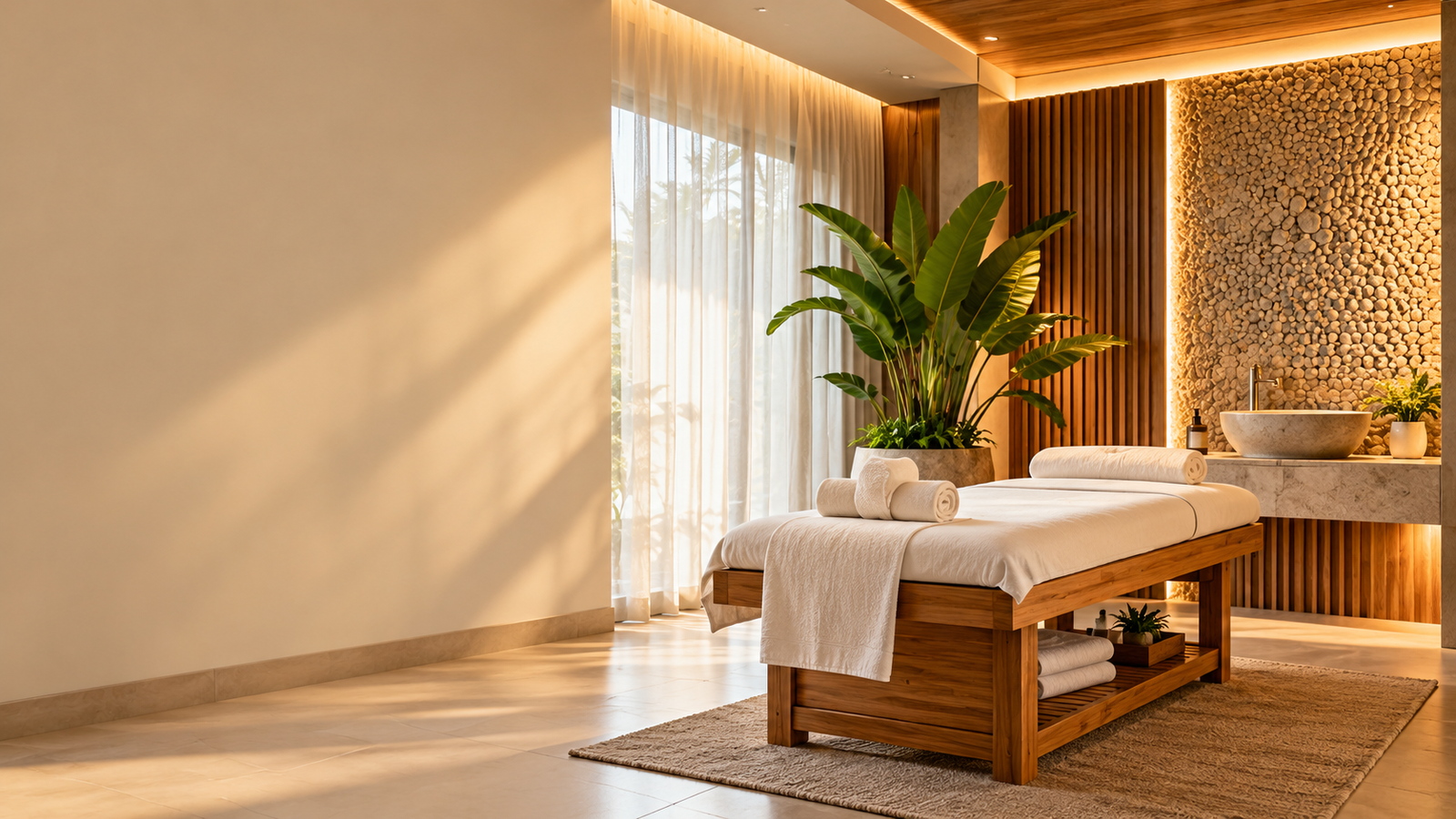
Modern Spa Interior Design Ideas for a Relaxing Space
Walk into a good spa and your shoulders drop before the therapist says hello. That feeling is not luck. It is designed. If you are planning a wellness centre, a salon with a treatment wing, or a quiet corner at home, these spa interior design ideas will help you build a space that calms people from the first step. At Homestin, we have seen how small choices around light, texture and layout change the way a guest feels, and this guide shares what actually works.
What Makes a Spa Feel Relaxing?
Before you pick tiles or lamps, it helps to know what the brain is responding to. A relaxing space has low visual noise, soft light, gentle sound, a pleasant smell and a clear path from one area to the next. Modern spa interior design is not about adding more things. It is about removing whatever stops a guest from slowing down. Whichever style you prefer, the best spa interior design ideas follow the same quiet logic: fewer elements, better chosen, placed with purpose.
Plan the Layout Like a Journey
A spa visit has a beginning, a middle and an end: reception, lounge, treatment room, relaxation area, exit. Each step should feel quieter than the one before it.
Keep reception warm but uncluttered. A timber or stone counter, soft indirect light and one healthy plant is plenty. Move billing, laundry and storage out of the guest’s line of sight. Place treatment rooms away from the entrance so footsteps and chatter do not travel. Many spa interior design ideas fail at this basic stage, because the budget goes into finishes while circulation is forgotten.
Give passages at least 1.2 metres of width so two people can pass comfortably. Rounded corners and gentle changes in ceiling height also stop the space from feeling rigid.
Colour Palette: Keep It Earthy and Soft
Colour sets the mood faster than anything else. Modern spa interior design leans on warm neutrals such as sand, clay, stone grey, soft olive and muted terracotta. Pure white can feel clinical, and high-contrast combinations make the eye work harder than it should.
A simple 60-30-10 split works well. Use a calm base shade on most surfaces, a supporting tone on about a third, and a small accent like deep green or warm brown for the rest. If you want one easy change to try first, repaint with a warm neutral and see how the room settles.
Use Natural Materials You Can Feel
Touch matters as much as sight in a spa. Think teak or rubberwood panels, lime plaster walls, pebble flooring in wet zones, cane, linen and stone countertops. Kerala has a long tradition of wood and laterite, and bringing a little of that into modern spa design gives the space a sense of place without turning it into a theme.
Texture does the heavy lifting. A smooth stone basin next to a rough lime wall feels richer than ten decorative objects. Stick to three or four materials across the whole space so it feels like one idea, not a collection.
Lighting That Slows People Down
Harsh downlights directly above a treatment bed are the fastest way to ruin a calm room. Use layers instead. Ambient light should be warm, around 2700K to 3000K, and dimmable. Task light should be soft and shielded, placed near the therapist’s workstation. Accent light, from cove strips, wall washers or glowing niches, adds depth.
Indirect light tucked into a false ceiling or behind a headboard creates the soft halo most people picture when they imagine a spa. If you are working through spa interior design ideas on a tight budget, begin with dimmers and warm bulbs. They cost little and change the atmosphere completely.
Sound, Scent and Fresh Air
A spa that looks perfect but sounds like a corridor will never feel calm. Acoustic panels behind fabric, solid-core doors, rugs and soft furnishings absorb noise. Quiet instrumental music or a small water feature gives a gentle background that covers stray sound.
Scent is just as powerful. Lemongrass, sandalwood, jasmine and vetiver suit our climate well. Use a diffuser instead of strong sprays. Ventilation matters too, especially in humid cities like Trivandrum, so plan proper exhaust in steam and shower zones and keep air moving through the lounge.
Furniture That Supports the Experience
Every piece should earn its place. Treatment beds need to be comfortable for guests and ergonomic for therapists. Lounges work best with low, rounded seating, small side tables for tea and enough distance between chairs to feel private.
Storage deserves real attention. Flat-front built-in cabinets hide towels, oils and equipment so the room never looks cluttered. This is where an experienced spa interior designer earns their fee, because clean storage is what keeps a space looking calm months after opening day.
Design the Wet Areas With Care
Steam rooms, showers, soak tubs and foot-bath zones need beauty and safety together. Choose matte, anti-slip tiles, solid waterproofing and, where possible, gentle under-floor heating. Large-format tiles reduce grout lines, which makes cleaning easier and the surface look continuous. Brushed brass or matte black fittings give a modern finish, and linear drains keep the floor visually clean.
Even a compact space can have a wet zone. A rain shower, a pebble floor and a timber bench can feel like a small retreat.
Bring Nature Indoors
Biophilic design is one of the strongest trends in wellness interiors. A green wall, a small courtyard, a skylight or a window framing a tree can all reduce the feeling of being enclosed. Pick plants that handle low light and humidity, such as snake plant, peace lily, areca palm and ferns. Daylight filtered through sheer curtains or timber louvres keeps a spa feeling fresh instead of cave-like.
In tropical cities, the best spa interior design ideas treat the garden as part of the treatment, not an afterthought.
Spa Design Ideas for Homes and Small Spaces
You do not need a big budget or a large floor plate. A home spa corner can live in a bathroom or spare room: a teak bench, a few river pebbles, a wall shelf with candles, a good rain shower head and warm lighting. Small clinics and salons can dedicate one room as a signature calm space and then carry its look through the rest of the interior.
Choose spa interior design ideas that match your footfall, your service menu and your maintenance capacity. A high-maintenance material in a busy centre quickly becomes a daily headache.
Common Mistakes to Avoid
Mixing too many themes, such as Buddha statues, neon, mirrors and plastic plants in one room, confuses the eye. Other frequent problems include skipping acoustics, using cold white lighting, slippery floors, too little storage and weak ventilation, which leads to damp walls and mould during the monsoon. Most of these are easy to prevent at the planning stage and expensive to fix later.
When you put spa interior design ideas on paper, test each one against a simple question: does this help the guest slow down? If the answer is no, leave it out.
How Homestin Approaches Spa Projects
Our design team in Trivandrum starts every wellness project by walking through the guest’s journey, from the car park to the treatment bed, and noting every sound, sightline and surface along the way. Only then do we move to materials, lighting and furniture. With teams working across Kerala, Kochi, Coimbatore and Madurai, we also design with local climate, humidity and maintenance in mind, so the space stays beautiful long after handover. If you are planning a spa, this journey-first method is a useful habit for any designer to follow.
Frequently Asked Questions
Keep the palette light and warm, use indirect lighting, choose built-in storage to avoid clutter, and limit materials to three or four. One strong feature, like a pebble shower floor or a timber panel wall, gives character without crowding the room.
Warm neutrals such as sand, beige, stone grey, soft olive and muted terracotta work best. They feel calm and natural, and they pair well with timber, stone and greenery. Use deeper tones only as small accents.
Moisture-resistant materials such as treated teak, engineered stone, matte porcelain tiles, lime or waterproof plaster and powder-coated metal hold up well. Pair them with good ventilation and proper waterproofing to prevent damp and mould.
Final Thoughts
A relaxing spa is rarely the result of expensive finishes alone. It comes from clear planning, soft light, honest materials and a layout that respects how people move and feel. Good spa interior design ideas are about intention, and when every choice supports calm, guests feel it straight away. Start with the journey, keep the palette gentle, and let nature and light do the rest.